Scotland's Hospitality Industry in 2026
Insights 2026
The Fragile Resilience of Scotland's Hospitality Industry: Challenges and Opportunities Ahead
The Current State of the Hospitality Industry in Scotland
Scotland’s hospitality industry stands as a cornerstone of its economy, impacting both urban and rural communities. This vibrant sector, encompassing hotels, restaurants, bars, and tourist attractions, not only creates jobs but also enriches the cultural fabric of the nation. However, despite its resilience in the face of challenges like the COVID-19 pandemic, the industry is currently teetering on the edge of significant turmoil. Economic pressures, staffing shortages and issues of in-work poverty threaten to undermine its viability. This blog post delves into the state of the hospitality industry in Scotland, exploring its economic contributions, the challenges it faces and the urgent need for policy changes to ensure its future.
Economic Contribution of the Hospitality Sector
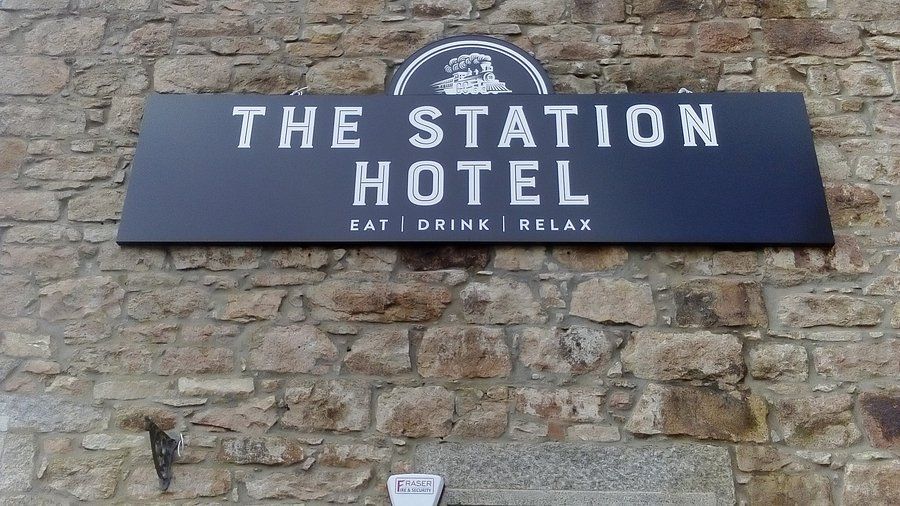
The hospitality sector in Scotland is a vital engine of economic growth, accounting for approximately 8% of jobs and 9% of businesses across the country. This translates into around 300,000 jobs, contributing an estimated £3.4 billion in gross value added (GVA) to the Scottish economy. From bustling city centres to picturesque rural settings such as The Station Hotel Insch, hospitality plays a crucial role in sustaining local economies and communities.
The sector’s importance extends beyond mere numbers; it reflects Scotland’s rich cultural heritage and vibrant tourism landscape. Whether through a cosy bed and breakfast nestled in the Highlands or a gourmet restaurant in Edinburgh, the experiences offered by this industry are integral to Scotland's identity. However, as the industry faces mounting pressures, its ability to maintain these contributions hangs in the balance.
Challenges Facing the Hospitality Industry
Economic Pressures
The hospitality industry in Scotland is currently grappling with significant economic pressures that threaten its stability. Rising operating costs, particularly in energy and food supplies, have created a challenging environment for businesses. These escalating expenses, coupled with a broader cost of living crisis, have led to diminished household disposable income. Consequently, consumer spending in hospitality-related activities has declined. Many businesses are reporting reduced revenues and tighter profit margins. The industry's call for a return to reduced VAT rates illustrates the urgent need for supportive measures to alleviate these financial burdens, which are critical for sustaining operations and fostering growth.
Staffing Challenges
Recruitment and retention of staff represent another formidable challenge for Scotland's hospitality sector. The reliance on a flexible workforce, often composed of part-time and temporary workers, has become increasingly problematic. The aftermath of the COVID-19 pandemic and the UK’s departure from the European Union have further complicated recruitment efforts. Many businesses are struggling to attract and retain talent, leading to increased workloads for existing staff and a subsequent decline in service quality. This ongoing staffing crisis not only hampers operational efficiency, but also places stress on current employees, amplifying the issues the industry faces.
In-Work Poverty and Employment Conditions
In addition to staffing difficulties, in-work poverty looms large as a pressing issue within Scotland’s hospitality sector. A significant number of workers earn wages below the low pay threshold of £11.58 per hour, which is increasingly untenable given the rising cost of living. The precarious nature of many hospitality jobs, combined with inadequate pay, perpetuates a cycle of poverty that affects not only employees, but also their families. Many workers find themselves in exploitative situations, facing unstable employment conditions with little oversight. Without advancements in regulatory frameworks and supportive policies, these challenges will continue to undermine the well-being of the workforce and the overall health of the industry. The Station Hotel Insch is proud to pay its employees over the minimum living wage advanced by the government.
The Need for Policy Changes
To navigate these multifaceted challenges, there is a growing consensus among industry stakeholders that substantial policy changes are essential. Employers express a desire to implement fair work practices, yet they often feel unsupported due to the lack of effective policies and regulations. Collaborative efforts between the government and the hospitality sector can pave the way for innovative solutions that address economic pressures, staffing shortages and poor working conditions. Implementing a regulatory framework that promotes fair pay and employment practices is crucial for fostering a sustainable and equitable labour market. The future health of Scotland’s hospitality industry hinges on these necessary policy shifts to secure its contributions to the economy and society.
Economic Pressures
The hospitality industry in Scotland is currently grappling with a host of economic pressures that threaten its stability and growth. Rising operational costs have emerged as a primary concern for many businesses. Increased expenses related to energy, food supplies and general operations have placed a significant strain on hospitality operators. This situation has been further complicated by external factors such as global economic trends and local market conditions. Consequently, many establishments are witnessing a sharp decline in household disposable income, which directly impacts consumer spending in hospitality-related activities.
Key economic pressures facing the industry include:
• Increased Energy Costs: Businesses are confronting soaring utility bills that erode profit margins.
• Rising Food Prices: The cost of sourcing ingredients has climbed, making it challenging for restaurants and hotels to maintain affordable pricing.
• Diminished Consumer Spending: The ongoing cost of living crisis has led to reduced discretionary spending, with fewer consumers dining out or engaging in leisure activities.
As a result, many hospitality operators are reporting decreased revenues and tighter margins. A recent survey highlights these concerns, revealing that operators are advocating for a return to reduced VAT rates that were previously implemented during the pandemic. This measure could provide much-needed relief to struggling businesses, enabling them to weather the current economic storm while preserving jobs and services in the sector.
Staffing Challenges
The staffing landscape within Scotland's hospitality industry has grown increasingly complex and challenging. Historically, the sector has relied on a flexible workforce, including part-time and temporary employees. However, the aftermath of the COVID-19 pandemic and changes stemming from the UK's exit from the European Union have significantly impacted recruitment and retention efforts. Many businesses now find themselves struggling to attract qualified talent, leaving existing employees to shoulder heavier workloads. This not only strains resources, but also compromises the quality of service that customers expect.
One pressing issue is the reliance on zero-hour contracts, which has left many workers in precarious employment situations. According to recent data, approximately one-third of hospitality workers in Scotland are on such contracts or lack formal employment agreements. Consequently, this uncertainty contributes to high turnover rates, as employees seek more stable job opportunities elsewhere. The combination of high turnover and insufficient staffing creates a vicious cycle, leading to burnout among current employees and further exacerbating the sector’s staffing crisis.
Moreover, in-work poverty is a significant concern within the hospitality sector, affecting employee morale and retention. Many workers earn wages that fall below the low pay threshold, making it difficult for them to meet rising living costs. This situation not only impacts their financial well-being, but also affects their motivation and commitment to their jobs. When employees struggle to make ends meet, service quality often suffers, which can deter repeat customers and diminish the reputation of establishments.
Addressing these staffing challenges requires a multifaceted approach. Here are several key strategies that can be implemented:
1. Improving Job Security: Establishing fair employment practices, including the transition from zero-hour contracts to more stable agreements, can help attract and retain talent.
2. Enhancing Pay and Benefits: Increasing wages and providing additional benefits can alleviate in-work poverty and improve employee satisfaction and commitment.
3. Investing in Training and Development: Encouraging ongoing training can help employees feel valued and empowered, while also addressing skill gaps within the sector.
4. Promoting Work-Life Balance: Creating schedules that allow for a better work-life balance can help reduce stress and burnout, improving overall job satisfaction.
By implementing these strategies, the hospitality industry in Scotland can begin to address its staffing challenges, ultimately leading to a stronger, more resilient sector.
In-Work Poverty and Employment Conditions
In-work poverty is a pressing issue that looms large over Scotland's hospitality sector. Many workers find themselves earning below the low pay threshold of £11.58 per hour, struggling to make ends meet amidst rising living costs. This precarious financial situation leaves employees vulnerable, impacting their quality of life and overall well-being. The hospitality industry, known for its demanding hours and often inconsistent schedules, exacerbates these challenges, pushing many workers deeper into financial insecurity.
Moreover, the nature of employment in the hospitality sector often lacks stability. A significant number of workers are on zero-hour contracts or employed without any formal contract at all. This lack of job security contributes to high turnover rates, making it difficult for businesses to maintain a skilled and reliable workforce. As a result, staffing shortages become a vicious cycle, where employers struggle to retain talent while employees search for more stable job opportunities that offer better pay and conditions.
Working conditions in hospitality also play a crucial role in perpetuating in-work poverty. Many employees report experiencing exploitation and unfair practices, often due to insufficient regulatory oversight. Such environments not only diminish job satisfaction, but also increase stress levels, leading to burnout among workers. The persistence of poor working conditions creates an uphill battle for the industry, as retaining skilled employees becomes increasingly challenging amid widespread dissatisfaction.
To break this cycle, a shift in focus is essential. Implementing policies that prioritize fair wages and improved working conditions would not only benefit employees, but also enhance overall industry performance. By addressing in-work poverty and fostering an environment of fairness and respect, the hospitality sector can take significant strides toward ensuring a more sustainable and equitable future for all its workers.
A Growing Consensus for Change
As the challenges in Scotland's hospitality sector become increasingly evident, a growing consensus emerges among industry stakeholders regarding the urgent need for significant policy changes. Employers and employees alike recognize that without structural improvements, the sector may struggle to sustain its vital contributions to the economy. Many operators express a strong desire to implement fair work practices, but feel unsupported due to a lack of effective policies and regulatory frameworks. This highlights a critical gap that must be bridged to ensure the industry's resilience and growth.
Fostering Collaboration
One of the key recommendations for government action is to promote collaboration between the hospitality sector and various stakeholders, including training providers and local authorities. Such partnerships can facilitate knowledge sharing, allowing businesses to adopt best practices and innovative solutions. Collaborative efforts could lead to more sustainable business models that not only benefit employers, but also enhance the overall experience for customers. When the industry works together, it can create a more robust ecosystem that supports everyone involved.
Investing in Sustainable Tourism
Investing in sustainable tourism is another vital area for policy focus. The demand for eco-friendly accommodations and experiences is on the rise, and Scotland has the opportunity to capitalise on this trend. By prioritising investments in sustainable practices, the government can help attract a diverse range of visitors while ensuring the long-term viability of the hospitality sector. This approach not only aligns with global environmental goals, but also resonates with an increasingly conscious consumer base eager to support responsible tourism initiatives. The Station Hotel Insch is proud to operate a Sustainability Policy.
Enhancing Support for Training and Development
The importance of ongoing training and professional development cannot be overstated. Equipping hospitality workers with the necessary skills not only improves service quality, but also addresses the prevalent skill gaps within the sector. Government programmes aimed at upskilling the workforce can enhance employee retention rates, reducing turnover and fostering a more stable working environment. By investing in human capital, the hospitality industry can build a more competent and committed workforce, ultimately benefiting businesses and consumers alike. The Station Hotel Insch is currently training a young chef in conjunction with her college training.
Implementing Fair Work Practices
Finally, establishing a regulatory framework that promotes fair work practices is crucial for alleviating issues such as in-work poverty. Implementing minimum wage standards and protections for workers will help create a more equitable labour market within the hospitality sector. Such measures will not only support employees facing economic hardships, but will also enhance the reputation of the industry as a whole. A commitment to fair work practices can lead to increased morale, better customer service and a more positive public perception of the hospitality sector, crucial for its recovery and future prosperity.
Conclusion
In summary, the hospitality industry in Scotland is facing a precarious intersection of opportunity and adversity. As an essential component of the nation's economy, it not only generates significant employment and economic activity, but also embodies the cultural essence of Scotland. However, the challenges it currently confronts—ranging from economic pressures and staffing shortages to the troubling issue of in-work poverty—threaten to destabilise its future.
To safeguard the vitality of this sector, urgent policy changes are needed. By focusing on targeted support for businesses, improving working conditions for employees and promoting sustainable tourism, the government can play a pivotal role in revitalizing the hospitality landscape.
While the road ahead may be fraught with difficulties, with concerted effort and strategic action, the hospitality industry in Scotland can emerge stronger and more resilient, continuing to enrich the lives of residents and visitors alike. The time for action is now and the future of Scotland’s hospitality sector depends on it.